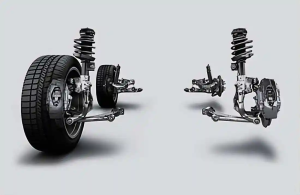
Let’s talk shock absorbers. They’re not flashy, and they’re not something most people think about—until your car starts bouncing like a trampoline. The truth is, shock absorbers are essential for keeping your ride smooth, your tires in contact with the road, and your car safe to drive.
So, how do you know it’s time to replace them? Here are five signs to watch out for—plus some extra insight on why each one matters more than you think.
1. Bumpy Rides
If your daily drive suddenly feels like you’re off-roading through a construction site, your shocks may be worn out. Good shock absorbers help your car glide over bumps by controlling the movement of the suspension. When they wear out, every bump, dip, or pothole feels exaggerated.
This isn’t just uncomfortable—it can wear down other parts of your car faster. That constant up-and-down motion adds stress to your suspension system, steering components, and even your tires.
2. Nose Diving When Braking
Notice your car dipping forward when you hit the brakes? That’s what we call “nose dive,” and it’s a classic symptom of bad shocks. Good shocks keep your car level under pressure, whether you’re braking or turning. If they’re not doing their job, it affects how your car handles—and can seriously mess with your stopping distance.
3. Uneven Tire Wear
Shocks help keep your tires firmly planted on the road. When they’re worn, your tires can bounce or lose consistent contact with the pavement. The result? Uneven tread wear. This not only shortens the life of your tires but also creates a dangerous situation if one tire suddenly loses grip.
4. Leaking Fluid
Shock absorbers are hydraulic devices—they use fluid to dampen motion. If you notice oily residue or drips around your shocks, that fluid might be leaking. Once it’s gone, the shock can’t function properly. If one is leaking, chances are the others aren’t far behind.
5. Weird Noises Over Bumps
Hearing clunking, rattling, or knocking sounds when you drive over uneven roads? That could mean your shocks or their mounts are worn out or loose. These sounds often get louder over time, so don’t wait until it gets unbearable—have it checked early.
How Often Should Shocks Be Replaced?
Generally, shocks last around 50,000 to 100,000 miles, but this depends on how you drive and the roads you travel. If you’re regularly carrying heavy loads, driving in rough conditions, or doing lots of braking, you may need to replace them sooner.
Pro Tip: Always replace shocks in pairs (both front or both rear), or ideally all four at once. Replacing just one can throw off your car’s balance.
So next time your ride starts feeling a little “off,” don’t just turn up the music and hope it goes away. Check your shocks—your comfort, safety, and wallet will thank you.