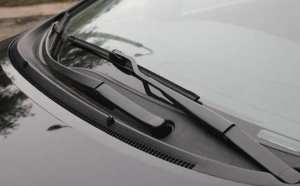
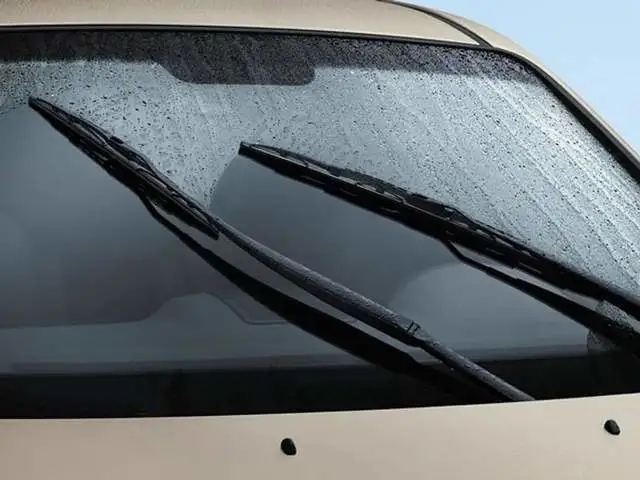
Generally, the wiper blades are made of rubber and will age naturally after six months to a year of use. If the blades have obvious cracks, or if the methods I mentioned in my previous article still don’t work, you can change a pair of wipers.
Previous article: Why the wiper blades don’t clean well?

Here’s what I recommend about when to replace wiper blades:
1. Every 6–12 Months (Preventative Maintenance)
Wiper blades naturally degrade over time due to sun exposure, weather conditions, and usage. Replacing them every 6–12 months is a good rule of thumb, even if they seem functional.
2. Visible Damage or Wear
Inspect the rubber for cracks, tears, or detachment from the frame. If the blade is damaged, it won’t clear the windshield effectively and could scratch the glass.
3. Streaking or Smudging
If the wipers leave streaks or smudges, the rubber may have hardened, lost flexibility, or accumulated debris that’s not removable.
4. Unusual Sounds or Vibrations
Squeaking, chattering, or skipping indicates that the wiper blade no longer has a smooth connection to the glass or the rubber has degraded.
5. Weather-Related Wear
In regions with harsh winters or intense sun, wipers wear out faster. Snow and ice can damage the rubber, while heat can cause it to harden and crack.
6. Poor Performance in Rain or Snow
If the wipers struggle to clear heavy rain, mist, or snow efficiently, they’re no longer fit for use and must be replaced.
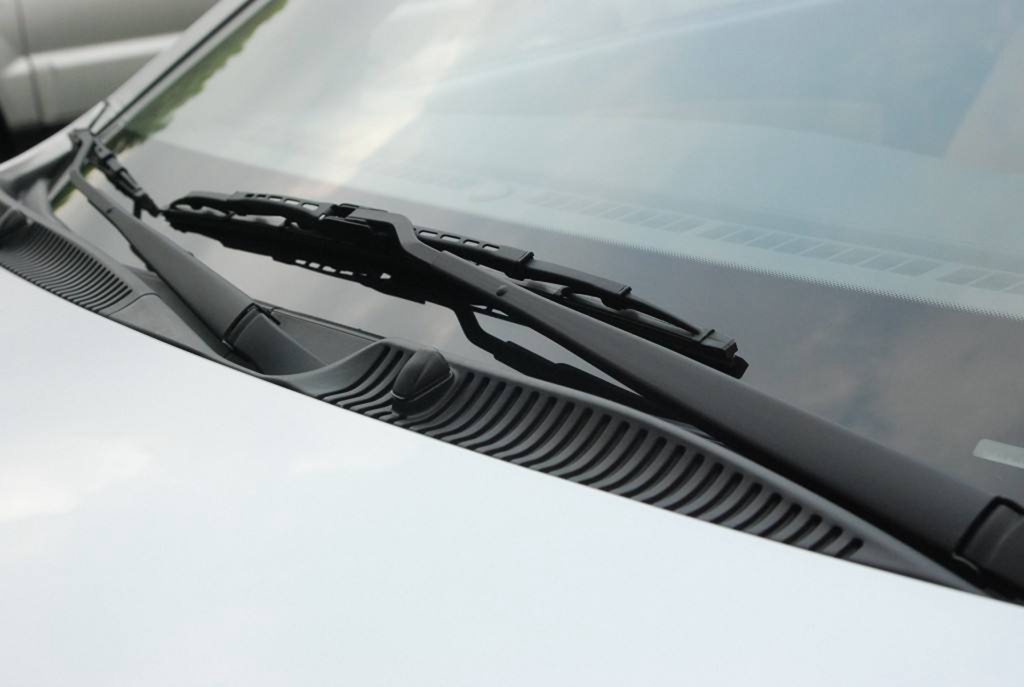
Additional Tips:
● Inspect Regularly: Check the blades whenever you clean your windshield or refill washer fluid.
● Use Weather-Specific Blades: In snowy regions, consider winter wiper blades designed to handle ice and snow buildup.
● Don’t Wait for Failure: Replace at the first signs of trouble to maintain optimal visibility and safety.
If you need help selecting or installing new blades, stop by your local repair shop—it’s a quick and affordable fix!