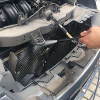
The working principle of a car radiator relies on coolant circulation and heat transfer. During engine operation, a large amount of heat is generated. To prevent overheating, the vehicle’s cooling system uses coolant to absorb this heat from the engine and dissipate it through the radiator.
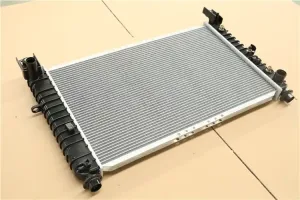
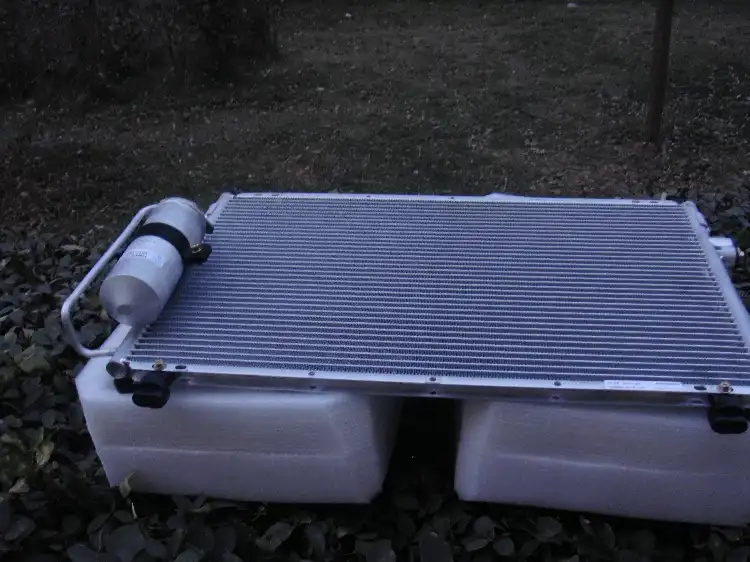
As the coolant flows through the engine, it absorbs heat and then moves into the radiator. The radiator is typically designed with numerous small metal tubes and fins to increase the heat exchange surface area.
When the vehicle is in motion, air passes over the radiator’s surface, carrying the heat away. Additionally, cooling fans assist in heat dissipation when the car is moving slowly or stationary. Once cooled, the coolant recirculates back into the engine to continue the cooling process.
Some high-performance cars or vehicles operating in extreme climates may have additional cooling components, such as auxiliary radiators or oil coolers, to enhance heat dissipation.
Furthermore, modern car cooling systems are equipped with temperature sensors and an electronic control unit (ECU), which automatically adjusts fan speed based on engine temperature to optimize cooling efficiency.
Understanding how the radiator works helps drivers maintain their vehicles effectively and prevent engine damage due to poor heat dissipation.