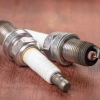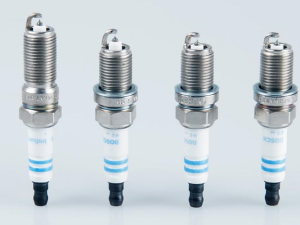
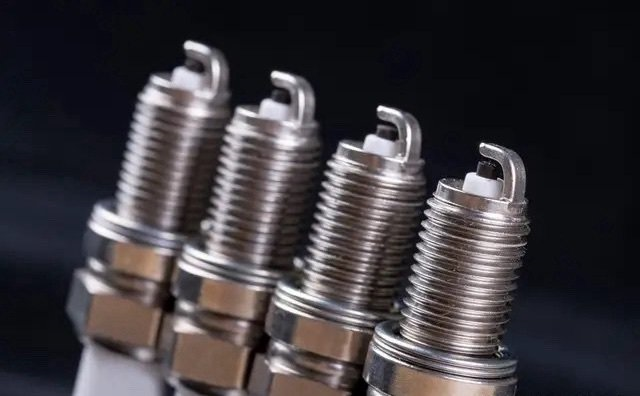
Though small, spark plugs play a crucial role in an engine’s ignition system and performance. Many drivers don’t know how to determine when their spark plugs need replacing, leading to unnoticed engine performance decline.
1. Common Symptoms of Faulty Spark Plugs
- Engine vibrations: Misfires can cause unstable idling or loss of power while driving.
- Reduced fuel efficiency: A worn-out spark plug may cause incomplete combustion, increasing fuel consumption.
- Abnormal exhaust emissions: Faulty spark plugs can lead to excessive black smoke or a strong fuel smell.
- Hard starts: Weak sparks may cause difficulty starting the engine, especially in cold weather.
2. Visual Inspection of Spark Plugs
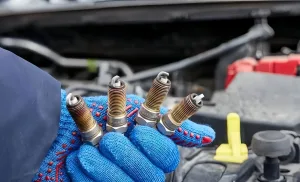
After removing a spark plug, examine the electrode color and condition:
- Light brown or grayish-white: Normal condition, no replacement needed.
- Heavy black carbon buildup: May indicate a rich fuel mixture or weak ignition.
- Oil-covered: Could be due to oil leaks or combustion chamber sealing issues.
- Worn electrodes: If the center electrode is visibly worn or cracked, replacement is recommended.
Regular spark plug checks and timely replacements can improve engine efficiency, fuel economy, and prevent more severe engine issues.