When was the last time you replaced your car’s air filter? Many car owners don’t realize that this small, affordable part plays a significant role in the overall performance and efficiency of their vehicle. Ignoring it for too long could have an impact on fuel consumption. Here’s how:
1. Air Filter Basics
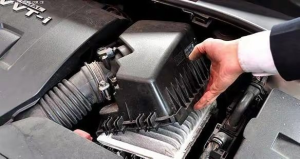
The air filter keeps dust, dirt, and other contaminants from entering your car’s engine. It helps ensure a clean airflow, which is essential for efficient fuel combustion. Over time, the filter can become clogged, restricting this airflow and putting extra stress on the engine.
2. Impact on Fuel Efficiency
When an air filter is dirty or clogged, the engine struggles to get enough clean air, which disrupts the air-fuel balance needed for optimal combustion. As a result, the engine burns more fuel to compensate, which means you end up spending more at the pump.
3. Performance and Longevity
Reduced airflow affects acceleration, making your car feel sluggish, especially at high speeds. Over time, this additional stress on the engine can lead to other costly repairs or reduced engine lifespan.
4. When to Replace the Air Filter
Most manufacturers recommend changing the air filter every 12,000 to 15,000 miles. However, if you drive in dusty or heavy-traffic areas, you might need to replace it sooner. Checking and replacing it during routine maintenance can save you money in the long run.
In short, a neglected air filter could mean higher fuel costs and reduced engine performance. A simple replacement can help maintain fuel efficiency and keep your car running smoothly! So, next time you’re at the mechanic, don’t forget to ask about the air filter!