Car filters don’t get much attention, but they work hard behind the scenes to keep your car (and you) running clean. Skipping filter changes might not seem like a big deal—but over time, it can cost you in performance, fuel economy, and even health.
Let’s break down the key filters in your vehicle and what they actually do.
1. Air Filter (Engine Air Intake)
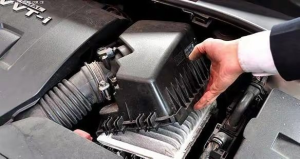
This one protects your engine by trapping dust, dirt, leaves, and even small bugs before they can get inside and cause damage. A dirty air filter restricts airflow, reducing engine efficiency and power. Worse, it can let contaminants through and damage engine components.
Change it: Every 12,000–15,000 miles (or more often in dusty areas).
2. Cabin Filter
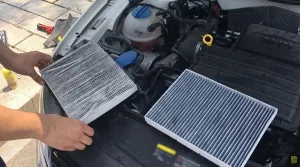
This filter is all about you—not the car. It cleans the air that blows through your vents, catching pollen, dust, pollution, and even odors. If your cabin filter is clogged, you might notice weak airflow, bad smells, or even allergy symptoms.
Change it: Every 15,000–25,000 miles, especially if you drive in urban or smoggy areas.
3. Oil Filter
Every time you change your oil, this filter should be changed too. Its job? Capture metal particles, sludge, and dirt in the oil before it cycles back through your engine. A clogged oil filter can reduce oil flow, overheat your engine, and shorten its lifespan.
Change it: Every oil change (usually every 3,000–7,500 miles).
4. Fuel Filter
This one protects your engine’s fuel system. It traps dirt or rust particles from your gas tank so they don’t enter the engine. Over time, a clogged fuel filter can cause hard starts, hesitation, and poor fuel economy.
Change it: Every 20,000–40,000 miles depending on your car.
Final Tip: Don’t wait for warning signs. Filter changes are cheap and fast—don’t let small maintenance turn into major repairs. Keeping your filters clean is one of the simplest ways to extend your vehicle’s life and enjoy every mile on the road.