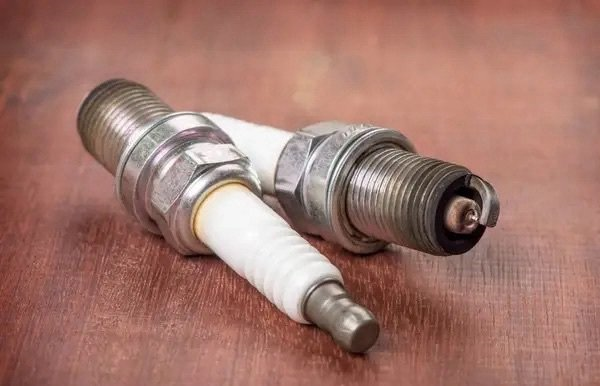
The spark plug gap is the distance between the electrodes, which directly affects ignition performance, fuel combustion efficiency, and overall engine operation. Many drivers assume that factory-set gaps are optimal, but minor adjustments can significantly enhance engine performance.
1. Effects of a Too Large or Too Small Gap
- Too Large: Requires higher ignition voltage, leading to weak sparks, hard starts, sluggish acceleration, or incomplete combustion.
- Too Small: Easier ignition but weaker spark energy, resulting in reduced combustion efficiency, lower power output, and increased carbon buildup.
2. How to Fine-Tune Spark Plug Gaps?
First, set the base gap according to the vehicle manufacturer’s recommendations. Then, adjustments can be made based on fuel type, ignition system, and driving style. Performance vehicles may benefit from slightly larger gaps for stronger sparks, while older engines might need smaller gaps to accommodate weakened ignition systems.
3. Use Proper Tools
Adjusting spark plug gaps requires precision tools like a feeler gauge or a dedicated gap adjustment tool. Bending electrodes improperly may damage the spark plug and shorten its lifespan.
Properly adjusting the spark plug gap can improve fuel economy, enhance engine response, and create a smoother driving experience.