
Maintaining your vehicle involves several small but crucial steps, and changing the car’s filters is one of them. Filters prevent dust, debris, and impurities from entering essential parts of your car, ensuring a smooth, safe, and efficient drive. But how often should these filters be replaced? Let’s break it down.
1. Engine Air Filter
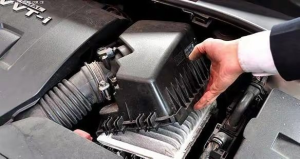
The engine air filter keeps dirt and debris from entering your car’s engine. A clogged engine filter can reduce performance and fuel efficiency, causing strain on your engine.
When to Replace: On average, replace your engine air filter every 12,000 to 15,000 miles (19,000 to 24,000 km) or as recommended by your car’s manual. For vehicles driven in dusty or polluted areas, replacing it more frequently is wise.
2. Cabin Air Filter
The cabin air filter prevents pollutants, dust, and pollen from entering the passenger compartment through the ventilation system. Over time, a dirty cabin filter can lead to poor air quality inside the vehicle, affecting both comfort and health.
When to Replace: Most manufacturers recommend changing the cabin air filter every 15,000 to 30,000 miles (24,000 to 48,000 km). In areas with heavy air pollution, it’s advisable to change it closer to 15,000 miles.
3. Fuel Filter
The fuel filter ensures that impurities in the fuel don’t reach the engine, which could lead to engine performance issues or even serious damage over time.
When to Replace: The replacement interval can vary depending on the vehicle. Some manufacturers recommend every 20,000 to 40,000 miles (32,000 to 64,000 km), while others suggest up to 60,000 miles (96,000 km). Refer to your vehicle’s manual for specific
4. Oil Filter
The oil filter plays a vital role in removing contaminants from the engine oil, which keeps the engine running smoothly. A clogged oil filter can reduce oil flow, leading to overheating and potentially severe engine damage.
When to Replace: It’s usually best to replace the oil filter every time you change the engine oil. This could be between 3,000 to 7,500 miles (4,800 to 12,000 km), depending on your driving habits and the oil type. High-performance synthetic oils typically last longer than conventional oils.
Conclusion
Regularly checking and changing your car’s filters is an affordable and effective way to keep your vehicle running smoothly and prevent potential problems. Always consult your owner’s manual for the manufacturer’s recommendations, as each car model may have different guidelines. Following these simple steps can extend your vehicle’s life and ensure it performs at its best.