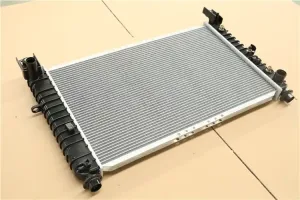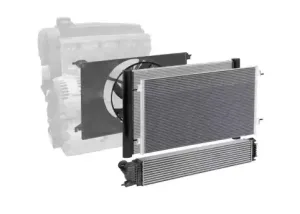
Your radiator is like your car’s air conditioning system—for the engine. Its job? To keep everything cool so your engine doesn’t overheat and fail. And yet, so many people forget it even exists… until there’s steam pouring from the hood.
Want to avoid costly breakdowns? Here’s how to keep your radiator in good shape for years.
1. Keep Coolant Levels in Check
Your coolant (also called antifreeze) absorbs engine heat and transfers it to the radiator, where it’s cooled by airflow. If the coolant runs low, the whole system falls apart. Check your levels monthly, and top up with the correct mix (usually 50/50 water and antifreeze).
2. Flush the Radiator Regularly
Coolant degrades over time. It can turn acidic and corrode the system from the inside out. Flushing it out every 30,000 to 50,000 miles removes old fluid, rust, and gunk. It’s a cheap way to avoid a major repair bill later.
3. Inspect for Leaks
Radiators can develop tiny leaks over time, especially around hoses and clamps. If you notice sweet-smelling fluid under your car or on engine components, check it immediately. Ignoring a leak can result in overheating, engine damage, and an expensive tow.
4. Don’t Ignore the Thermostat
If your thermostat gets stuck, your radiator won’t get the signal to do its job. This can lead to overheating or poor fuel economy. If your temperature gauge is acting strange, get it checked.
5. Clean the Radiator Fins
Over time, bugs, dirt, and debris clog the fins on the radiator’s surface, blocking airflow. A gentle rinse with water (not high pressure!) can clear this up. Be careful not to bend the thin aluminum fins.
Extra Tip: Use the Right Coolant
Different vehicles require different types of coolant. Mixing the wrong types can create sludge or reduce cooling efficiency. Always check your owner’s manual or ask a trusted mechanic.
Taking care of your radiator isn’t glamorous—but it’s one of the best ways to keep your engine happy, especially during hot weather or long trips.