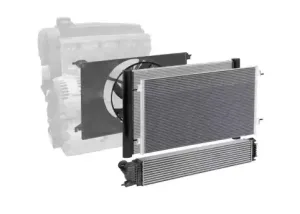
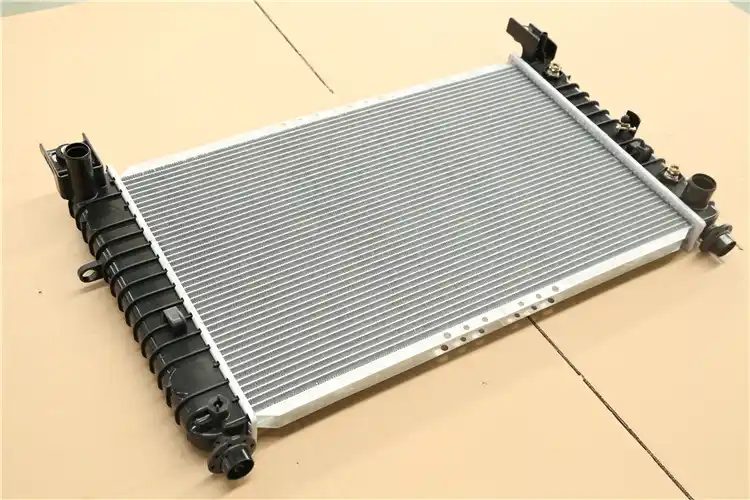
Radiator rust and corrosion are common issues that affect the performance of the cooling system, especially in humid environments or when low-quality coolant is used. Long-term corrosion not only reduces heat dissipation efficiency but may also cause coolant leaks, leading to engine performance issues.
1. Common Causes of Rust and Corrosion
- Poor-Quality Coolant: Using low-quality or expired coolant may contain acidic substances or mineral deposits that accelerate corrosion.
- Electrochemical Corrosion: If the vehicle’s electrical grounding is faulty, it may cause metal parts in the cooling system to undergo electrochemical reactions, leading to localized corrosion.
- Environmental Factors: Continuous exposure to humid or salty conditions (such as coastal areas) can accelerate the oxidation of the radiator.
2. Prevention Measures
- Use high-quality coolant and replace it regularly as recommended by the manufacturer.
- Check electrical grounding to ensure the vehicle’s electrical system is functioning properly to prevent electrochemical corrosion.
- Clean the radiator regularly, especially after driving in muddy or humid environments, to prevent dirt and moisture accumulation.
By following these preventive measures, car owners can extend the lifespan of their radiators and maintain the efficiency of the vehicle’s cooling system, ultimately improving overall engine performance.