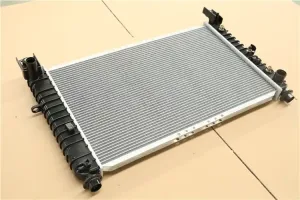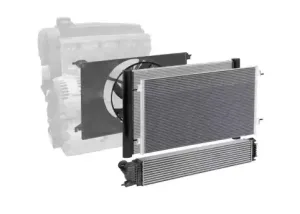
Your engine runs hot—literally. Without a working radiator, you’ll end up steam-cleaning your hood on the side of the road. Show some love to your cooling system, and you’ll avoid costly “blown-head-gasket” drama.
Coolant: More Than Just Green (or Pink) Juice
Modern coolants come in a spectrum of colors—green, orange, pink—each with its own mix of corrosion inhibitors and anti-freeze agents. A 50/50 water-to-coolant ratio handles both summer heat and winter chill.
When to Give Your Radiator a Spa Day
Manufacturers recommend a full flush every 30,000–50,000 miles or every 2–3 years. Flushing removes rust, scale, and acidic breakdown products that can nibble away at your radiator’s insides.
Leakage and Air-Lock Clues
- Temperature Needle in the Danger Zone
If your gauge climbs past halfway, pull over before you cook the engine. - Maple-Syrup Smell
A sweet scent under the hood? That’s coolant leaking onto hot components. - Sludgy Fluid Under the Cap
Brown sludge means internal corrosion—you need a flush, stat. - Hose Bulges or Cracks
Old rubber hoses can collapse or split—replace them when they show wear.
DIY Flush & Fill
- Cool Down & Drain
With the engine cold, open the radiator petcock and let the old coolant flow into a catch pan. - Flush
Refill with plain water or a cleaning solution, run the engine to circulate, then drain again until the water runs clear. - Refill
Pour in fresh 50/50 coolant mix, bleed air via the bleed screw or heater-core lines to avoid hot spots. - Cap Check
Replace the radiator cap every few years—its spring determines the system’s pressure and boiling point.
Pro’s Corner
Don’t forget the overflow reservoir—top it to the “full” mark. And inspect your water pump, belts, and thermostat while you’re in there. A single weak link can undermine all that radiator TLC.
A little routine radiator care stops mid-trip blowouts and keeps your engine running at the perfect temperature. After all, nobody wants a hot-steaming hood selfie.