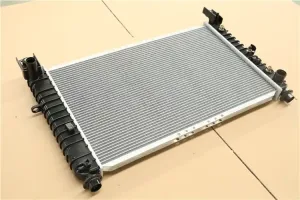
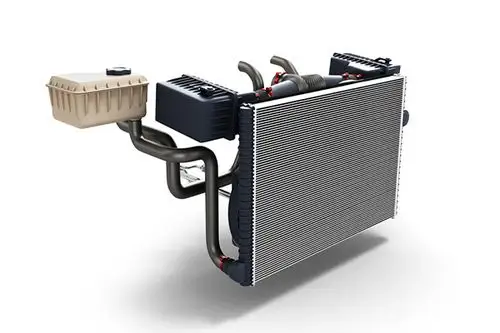
The car radiator is a crucial component of the engine cooling system, primarily responsible for lowering the engine temperature and preventing overheating. During engine operation, fuel combustion generates a significant amount of heat. If not dissipated in time, the engine temperature can rise rapidly, leading to oil degradation, metal expansion, or even damage, which can impact the vehicle’s normal operation.
The radiator works by circulating coolant, which absorbs heat from the engine and flows into the radiator. The metal fins and fan in the radiator help dissipate the heat into the air, cooling the liquid before it recirculates back into the engine.
Modern cars typically use aluminum radiators because aluminum is lightweight, has excellent thermal conductivity, and offers good corrosion resistance.
Proper radiator function is essential for engine longevity. If the cooling system malfunctions—due to low coolant levels, clogged fins, or a faulty fan—the engine may overheat, increasing fuel consumption and potentially causing severe damage.
Therefore, drivers should regularly inspect the radiator, maintain a clean cooling system, and ensure the engine operates at an optimal temperature to enhance fuel efficiency and extend engine life.