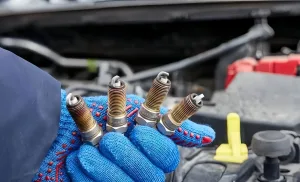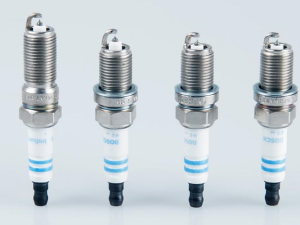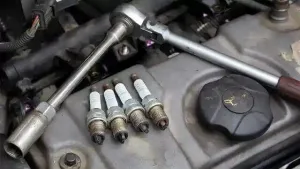
Your engine’s spark plugs are like caffeine for your car: without them, you’re not going anywhere fast. Here’s why these pint-size heroes deserve a little respect… and a timely swap.
Why Spark Plugs Matter
Every time you hit the starter, spark plugs ignite the air-fuel mix in each cylinder. Worn plugs misfire, leaving unburned gas, rough idling, and poor fuel economy in their wake. Think of a misfire like a marathon runner starting every other lap: you’re going nowhere efficiently.
Signs You Need New Plugs
- Rough Idle or Stalling: The engine hunts for rhythm, like an off-beat drummer.
- Poor Acceleration: Your car responds like a sleepy teenager, slow off the mark.
- Bad Gas Mileage: Unburned fuel adds up at the pump—visits to the station become too frequent.
Heat Ranges and Gap Settings
Not all spark plugs are created equal. Each engine demands a specific “heat range.” Too hot, and plugs foul; too cold, and they overheat. Always follow your manual. And don’t forget the gap—the space between center and ground electrodes. A mis-gapped plug is like trying to jump a chasm on a pogo stick: you’ll never clear it.
Platinum, Iridium, or Copper?
- Copper plugs are old-school and cheap but wear out fast.
- Platinum offers longer life (up to 60K miles).
- Iridium is the gold standard—excuse me, the iridium standard—for longevity and consistent spark, but at a premium price.
Swapping Plugs: A Quick How-To
- Disconnect the battery. Safety first—no stray jolts.
- Remove the plug wires or coil packs. Mark them so you don’t mix up cylinders.
- Use a spark plug socket. Turn gently—no Hulk strength!
- Check gaps, apply anti-seize lightly, torque to spec. Done.
Give ’Em Some Love
On many engines, plugs live in heat and grime. A spray with some brake cleaner before removal keeps crud out of the combustion chamber. And if you spot oil or carbon deposits on old plugs, it might hint at deeper engine issues—time for a professional checkup.