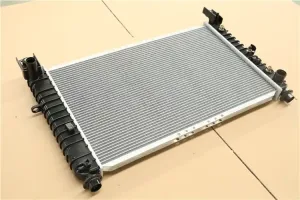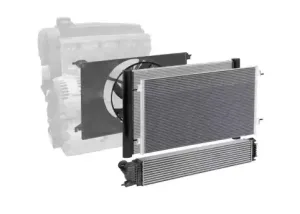
Your radiator is the unsung hero preventing your engine from turning into molten lava. Show it some TLC before the overheating drama unfolds.
Coolant: More Than Just Green (or Pink) Juice
Coolant—or antifreeze—absorbs heat and prevents freezing. Over time, it loses its anti-corrosive properties and becomes acidic. Old coolant can erode radiator passages and cause leaks.
Symptoms of a Neglected Cooling System
- Rising Temperature Gauge: The first red flag—your engine’s telling you it’s too hot.
- Sweet Smell Under the Hood: Leaking coolant has that unmistakable maple-syrup aroma.
- Radiator Sludge: A quick peek inside the cap reveals thick, rusty goo if it’s been too long.
Flush and Fill Ritual
Manufacturers usually recommend a coolant flush every 30,000–50,000 miles. The process: drain old fluid, flush with clean water (or a cleaning solution), then refill with fresh 50/50 coolant/water mix. It’s one of the cheapest ways to avoid a meltdown.
Check Hoses and Caps
Old hoses can crack or bulge under pressure. A collapsed hose starves the engine of coolant flow. And the radiator cap keeps system pressure—replace a worn cap to maintain proper boiling point and avoid bubbles (which trap hot spots).